

NFT Birdies
4 May 2026
Saros Review: Housemarque’s Best PS5 Exclusive Since Returnal
Housemarque Evolves Its Formula Into Something Even Stronger
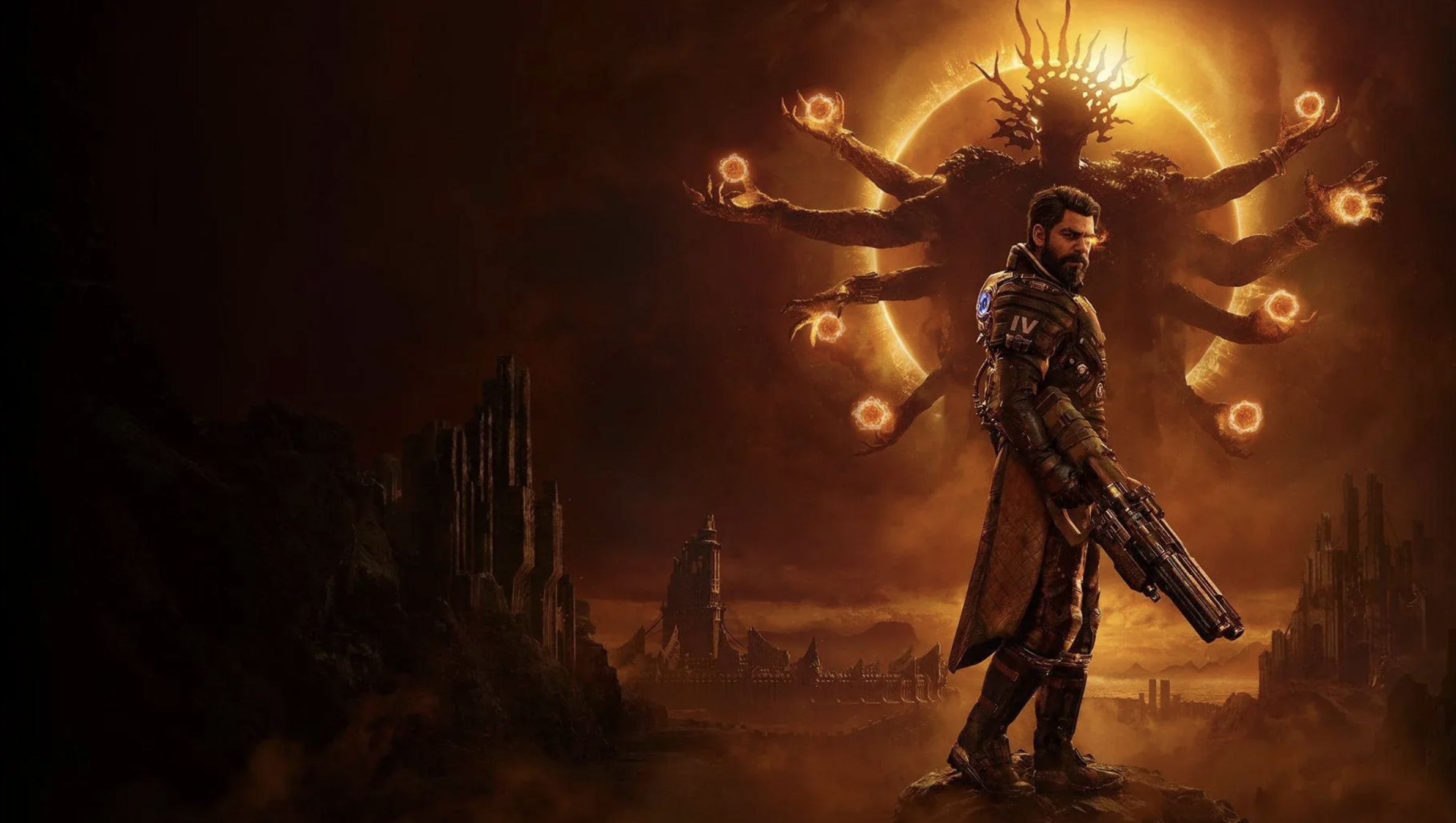
Five years after Returnal established Housemarque as a major AAA studio, the Finnish developer returns with Saros - a game that builds on nearly every idea its predecessor introduced. This is not a cautious sequel. Housemarque has redesigned the progression loop, expanded the combat systems, and brought in Rahul Kohli to lead a story with more ambition and emotional focus. The result is one of the strongest PS5 exclusives in recent years.
You play as Arjun Devraj, an Enforcer sent to the planet Carcosa as part of Echelon IV, a corporate recovery team tasked with discovering what happened to three earlier expeditions that mysteriously vanished after landing. It begins with familiar sci-fi foundations, but Housemarque uses them effectively. Carcosa itself transforms during every solar eclipse, creating the in-world explanation for the roguelite cycle. Each time Arjun dies, the eclipse resets, and he awakens back at base with no recollection of the previous run. Here, repetition is not just gameplay structure - it is central to the narrative.
Gameplay
Here’s the key point: Saros is more approachable than Returnal, but not necessarily easier. It remains punishing, demanding, and relentless. The difference is that failure now feels deserved rather than arbitrary.
The third-person bullet-hell combat returns, but movement has been refined dramatically. Arjun can sprint, leap, dash through blue projectiles, and use a tether for traversal and repositioning. Similar mechanics existed before, yet the responsiveness here feels sharper and more polished. Weaving through dense projectile patterns before instantly retaliating becomes second nature after enough time with the controls.
The largest new addition is the Soltari Shield, which introduces a parry-focused layer to combat. Blue projectiles can be absorbed to build your power weapon meter, while red attacks must be dodged or reflected with precise timing. Mastering these mechanics turns encounters from reactive survival tests into something almost rhythmic. The skill ceiling is impressively high.
Permanent progression is where the game most clearly surpasses its predecessor. Instead of restarting nearly from zero after every death, players gradually unlock upgrades through a branching skill system that permanently strengthens Arjun. New traversal tools, movement options, and environmental interactions steadily expand what you can do, making each run feel valuable even in defeat.
The main weakness lies in weapon variety. Over longer sessions, the arsenal starts to feel repetitive. While modifiers and stat rolls create some variation, the number of core weapon archetypes feels limited. It never ruins the experience, but it does become noticeable.
Graphics and Audio
Carcosa is a stunning world to repeatedly perish in. The planet shifts across multiple biomes, from crystalline caverns to crumbling corporate ruins, and the art direction remains consistently bold. The eclipse lighting system deserves special praise, bathing environments in changing amber tones and deep shadows that make every arena feel slightly surreal.
The DualSense Wireless Controller features are used exceptionally well. Adaptive triggers give each weapon its own tactile identity, while haptic feedback adds extra impact during close combat and traversal moments. It enhances immersion rather than feeling gimmicky.
The soundtrack is one of the genre’s best in recent memory. Organ and string arrangements define quieter exploration sequences, while distorted percussion and aggressive instrumentation drive combat. It is direct, intense, and highly effective.
Rahul Kohli also deserves recognition for his performance as Arjun. He brings a grounded intensity to the role, making repeated deaths feel personal rather than mechanical. His exhaustion, frustration, and determination add emotional weight to the loop.
Story
Saros places far greater emphasis on narrative than Returnal, and that is mostly a strength. The surviving members of Echelon IV give Arjun meaningful relationships, making the loop feel less lonely than Selene’s isolated journey. The mystery surrounding the disappearance of Echelons I through III is compelling and drives the early hours effectively.
Storytelling comes through cutscenes, radio transmissions, optional hub dialogue, logs, and flashback sequences. This layered delivery works well when spaced properly. However, optional conversations sometimes trigger in awkward batches, causing character moments to feel less natural than intended. Animations outside of cinematic scenes can also appear stiff.
The larger issue is pacing in the second half. The early corporate sci-fi mystery gradually shifts toward Arjun’s personal past, and the transition does not fully land. The broader planetary stakes feel more engaging than the inward emotional turn, and the abstract ending may divide players between admiration and frustration.
Verdict
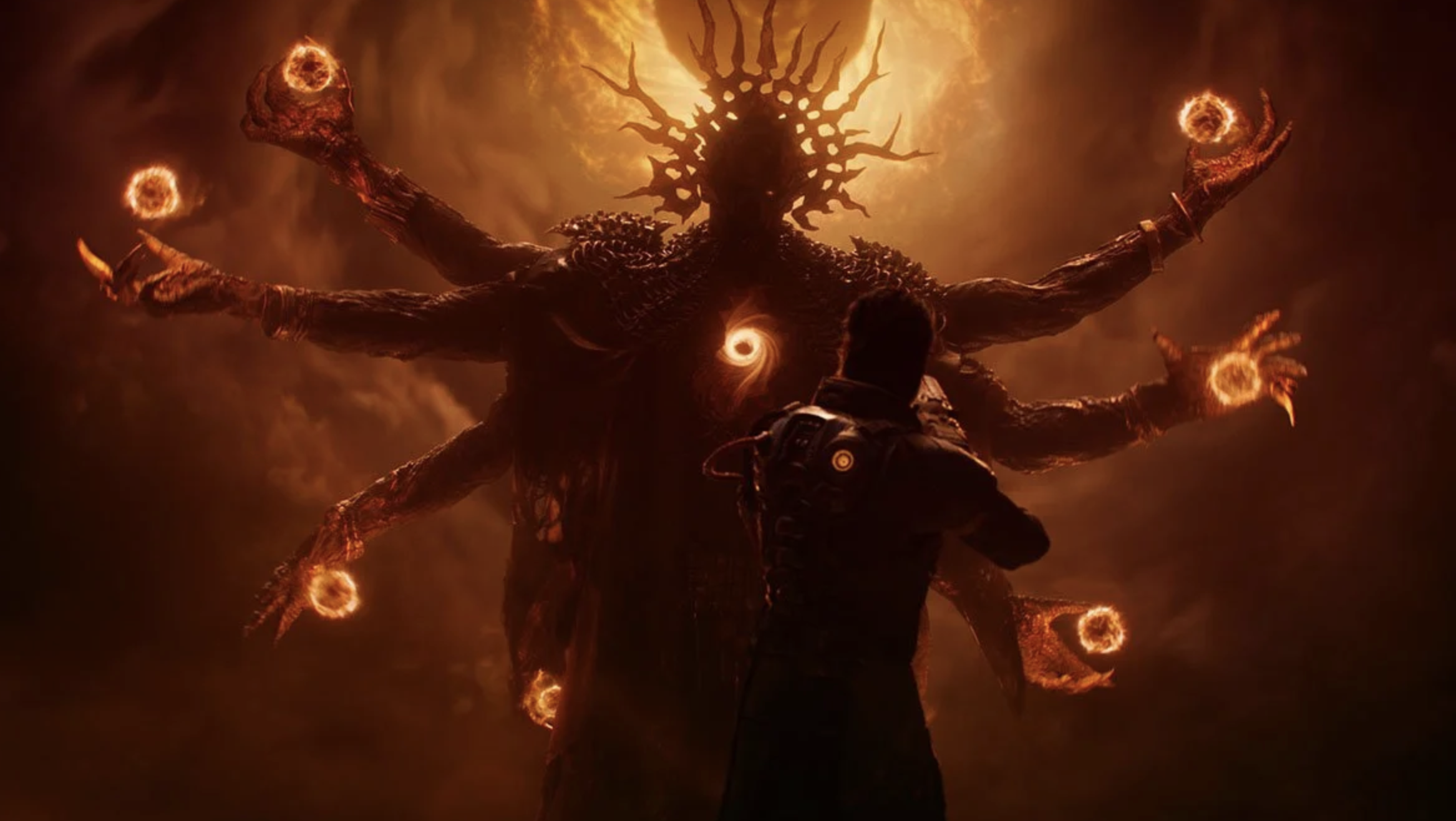
Saros is Housemarque performing at its highest level. The combat is the best the studio has ever delivered. The world feels richer and more cohesive than anything in Returnal. The permanent progression system addresses one of that game’s biggest frustrations. And Rahul Kohli gives the story an emotional center it might otherwise lack.
Its flaws are real, but manageable. The narrative loses focus late. Weapon diversity could be stronger. Endgame content feels lighter than expected. Still, none of these issues significantly diminish what is otherwise a highly polished package.
This is the follow-up Returnal fans hoped for - and it largely delivers.
Saros is the rare sequel that not only stands beside its predecessor, but confidently moves beyond it. Housemarque refined the ideas of Returnal, smoothing out its roughest edges while expanding every major system. Combat feels sharper, progression is more rewarding, and Carcosa is a more memorable world. Rahul Kohli gives the experience an emotional anchor that Returnal sometimes lacked.
The story stumbles near the finish line, and the weapons begin to repeat themselves sooner than they should. Even so, these flaws are minor compared to everything the game gets right. It stands as one of the best PS5 exclusives since launch.
If Returnal pushed you away with its harsh progression, Saros deserves a second chance. If you loved Returnal, this is exactly the next step you wanted.
Pros
Combat is thrilling, layered, and deeply satisfying
Permanent progression makes every run worthwhile
Rahul Kohli delivers a standout lead performance
Carcosa is a striking alien world with strong identity
More accessible than Returnal without losing challenge
Cons
Narrative becomes overly cryptic and less focused late on
Weapon variety feels thin during long sessions
Endgame content lacks the strength of the core experience
Optional dialogue pacing can feel awkward at times
NFT Birdies


NFT Birdies
26 Mar 2026

NFT Birdies
20 Mar 2026
Nora Daisy
22 Jul 2026

NFT Birdies
29 May 2026
Build authority in Web3 - share your insights on our blog!
Become our guest authorGot a cool idea for NFTBirdies?
Drop your thoughts and help us build the best NFT platform together.
Drop Your IdeaTopics
Recent comments

Share your review
Article: Saros Review: Housemarque’s Best PS5 Exclusive Since Returnal