

NFT Birdies
16 Dec 2025
The Phygital Imperative: Building an Integrated Future of Ownership in 2025
The Seamless Merger of Digital Provenance and Physical Experience

We stand at the precipice of a fundamental transformation in how we perceive, own, and interact with value. The once-clear boundary between the digital and physical realms is dissolving, not through abstraction, but through tangible technological integration. This convergence finds its most potent expression in the rise of Phygital NFTs - a sophisticated fusion where blockchain-verified digital ownership unlocks and interacts with unique physical objects and experiences. This is no longer a speculative future or a marketing experiment; 2025 marks the year this model moves from pilot programs to operational maturity, redefining commerce, authenticity, and community for brands, creators, and collectors alike.
The driving force behind this shift is a profound human desire for holistic ownership. While digital assets offer unprecedented liquidity, programmability, and global access, they often lack the visceral, tactile satisfaction of physical possession. Conversely, physical items, from luxury goods to artwork, have long suffered from opaque provenance, vulnerability to counterfeiting, and static utility. Phygital NFTs elegantly resolve this dichotomy by creating a symbiotic relationship between a token and its tangible counterpart. This guide explores the intricate architecture of this relationship, examines the critical verification technologies that make it trustworthy, and unveils the transformative strategies brands are deploying to build deeper, more resilient connections in this new paradigm.
Redefining Ownership: The Dual Nature of Phygital Assets
A Phygital NFT is fundamentally a bridge. It consists of two intrinsically linked components: a digital non-fungible token existing on a blockchain, and a unique physical item or experiential right in the material world. The digital token serves as an immutable certificate of authenticity, a dynamic ledger of history, and a programmable key. The physical counterpart is the manifestation - the wearable, displayable, or usable object. The true innovation lies not in this pairing alone, but in the bi-directional flow of data and value it enables. This transforms a static object into a living asset whose story, utility, and value can evolve long after the point of manufacture or sale.
The evolution of this model reveals its growing sophistication. Early iterations often treated the NFT as a mere digital receipt - a supplementary proof of purchase that added novelty but little functional integration. The subsequent phase introduced the redemption model, where the NFT acted as a burnable key to claim a physical item, creating deliberate scarcity and a clear economic event. Today, in 2025, we have entered the era of the "living twin." Here, the connection is persistent and interactive. The physical item can be used to unlock digital realms, such as exclusive augmented reality filters, video game skins, or community channels. Simultaneously, data from the physical world—usage metrics, location history, or maintenance records - can be written back to the NFT's metadata, enriching its narrative and verifiable history. This creates a continuous feedback loop between our digital and physical selves.
The Foundation of Trust: Advanced Verification Technologies
The entire phygital proposition hinges on an unforgeable, cryptographically secure link between token and object. Without robust verification, the system collapses into doubt. The technological toolkit of 2025 provides multiple layers of assurance, moving far beyond simple QR codes. Leading the charge are embedded Near-Field Communication (NFC) or Radio-Frequency Identification (RFID) chips. These secure elements are integrated during the manufacturing process, becoming the unique digital heart of the physical item. When scanned with a smartphone, the chip communicates a signed, unique identifier that queries the blockchain to confirm its linked NFT and provenance. The latest chips are read-only and tamper-evident; any attempt at physical removal or cloning destroys their functionality, making fraud economically non-viable for high-value goods.
For broader applications or packaging, dynamic QR codes and sophisticated holography offer a more accessible, though carefully managed, entry point. The true power of blockchain-native verification, however, is seen in on-chain redemption mechanics. Smart contracts can be designed to require the burning or permanent locking of the NFT in a verifiable vault contract to trigger the fulfillment of the physical item. This creates an immutable, public record of the redemption event, permanently altering the digital token's state and preventing double-claiming. At the cutting edge, technologies like physical cryptography are emerging, which use high-resolution scanners to map the unique, microscopic structure of a material—be it canvas, fabric, or carbon fiber—generating a "fingerprint" that is hashed and stored on-chain at creation. Any future scan can verify a perfect match, proving the item is the original.
The Brand Renaissance: Strategic Opportunities in a Connected World
For forward-thinking brands, phygital NFTs represent a paradigm shift far more significant than a new product line. They are a foundational upgrade to customer relationship management, supply chain integrity, and value creation. One of the most revolutionary applications is the enforcement of resale royalties in the secondary market for physical goods. A luxury brand selling a phygital handbag can encode royalty terms within the NFT's smart contract. When the physical item is resold, its authenticity and ownership transfer are verified via its digital twin, allowing the original brand to automatically receive a percentage of the sale - a concept previously unenforceable in the traditional pre-owned market.
Furthermore, phygital products become dynamic portals for storytelling and community engagement. A purchased sneaker is no longer an endpoint but a beginning. Its embedded chip can unlock narrative content, designer commentary, or exclusive digital collectibles. Attending a brand event can "level up" the linked NFT, granting new status or utilities. This transforms customers into invested community members and curators of a brand's evolving story. From a logistical standpoint, the benefits are equally profound. Supply chains gain transparent, immutable ledgers. Every step - from raw material sourcing and manufacturing to certification, shipping, and resale - can be recorded on the asset's digital record, combating counterfeiting and providing consumers with unparalleled proof of ethical sourcing and authenticity with a simple tap.
Navigating the Integrated Future
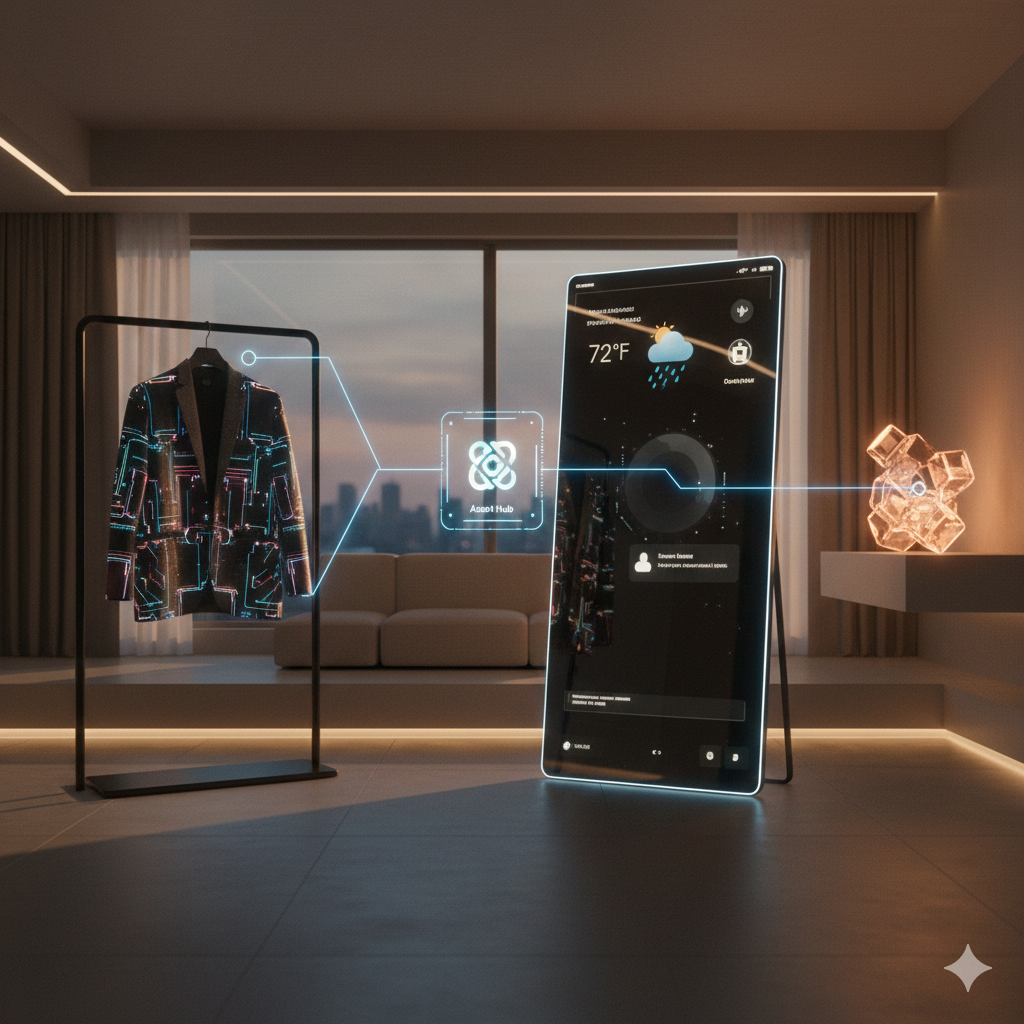
The path forward is not without its challenges. Integration of secure technology increases unit costs and production complexity. Consumer behavior must adapt to include "tap-to-verify" rituals. Regulatory frameworks around warranty, liability, and taxation for these hybrid assets are still crystallizing. However, the trajectory is undeniably toward greater integration. We are moving toward an "Internet of Assets," where phygital items communicate with each other and smart environments. The future may see fractional ownership of high-value physical assets managed through NFT-based governance, or AI-driven manufacturing that produces personalized physical items based on the style and preferences encoded in one's digital avatar and NFT holdings.
In conclusion, 2025 marks the year the phygital bridge is not only built but becomes a main thoroughfare for value and experience. It signifies the end of viewing our digital and physical possessions as separate categories. We are becoming curators of integrated ecosystems where value flows freely between atoms and bits. For creators, this offers unprecedented tools for engagement and monetization. For collectors, it fulfills the desire for ownership that is both socially verifiable in digital spaces and sensually satisfying in the physical world. The divide has been breached; the imperative now is to explore the vast, interconnected landscape on the other side.
NFT Birdies

NFT Birdies
30 Mar 2026


NFT Birdies
17 Mar 2026


Build authority in Web3 - share your insights on our blog!
Become our guest authorGot a cool idea for NFTBirdies?
Drop your thoughts and help us build the best NFT platform together.
Drop Your IdeaTopics
Recent comments

Share your review
Article: The Phygital Imperative: Building an Integrated Future of Ownership in 2025