
NFT Birdies
20 Jan 2026
From Followers to Co-Owners: How NFTs Are Redefining Influence and Building Unbreakable Digital Tribes in Web3
The age of the passive follower is over. In today’s oversaturated digital landscape, influence is a depreciating asset if measured only in vanity metrics—likes, shares, and a transient audience held captive by a platform’s algorithm. The true evolution of the creator economy lies not in broadcast, but in belonging; not in attention, but in ownership. This fundamental shift finds its most potent engine in the non-fungible token (NFT). Far beyond the speculative JPEGs that dominate headlines, NFTs are emerging as the architectural bedrock for building loyal, invested, and self-sustaining communities. They are transforming influencers from centralized content nodes into the architects of decentralized digital ecosystems, where every member holds a key.
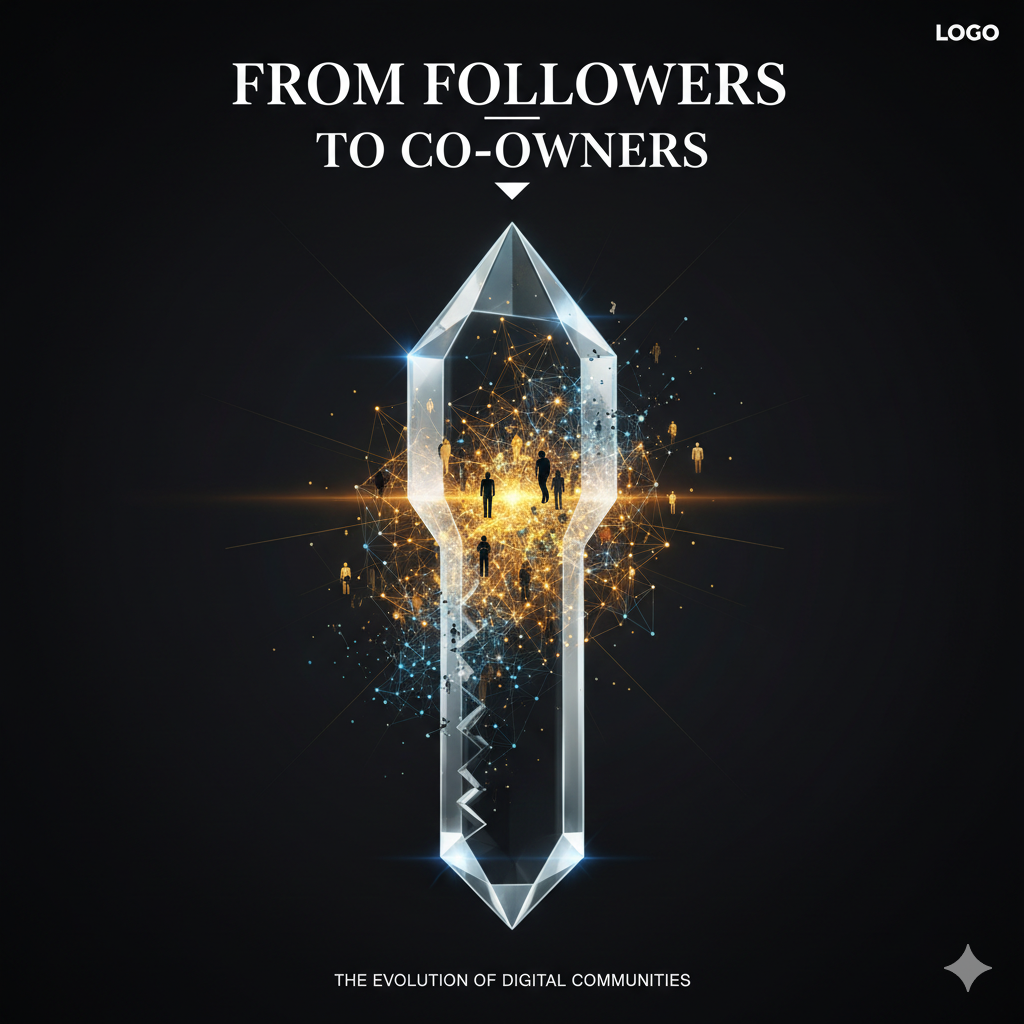
This deep dive explores the multifaceted revolution underway, examining how NFTs are moving from mere collectibles to sophisticated tools for access, identity, governance, and shared economic destiny, fundamentally altering the contract between creator and community.
The Paradigm Shift: From Platform Captives to Sovereign Communities
For over a decade, the influencer model has been built on a fragile, extractive foundation. Creators amass followers on platforms like Instagram or YouTube, but they do not own those relationships. The platform owns the audience, the data, and the distribution. Algorithms giveth, and algorithms taketh away, constantly changing the rules of visibility and monetization. Revenue flows through opaque ad networks or branded deal pipelines, with significant middleman cuts and little direct reward for a creator’s most ardent supporters.
NFTs shatter this model by introducing verifiable digital property rights into the social fabric. When an influencer mints a membership NFT, they are not just selling a digital good; they are issuing a programmable key. This key represents a direct, immutable, and platform-agnostic relationship between the creator and the holder. It transfers the locus of value from the platform’s database to the individual’s blockchain wallet. The fan is no longer a data point in Meta’s empire; they are a stakeholder in a creator’s sovereign digital nation. This shift is profound: it moves community from being a metric to being a micro-economy, governed by transparency and aligned incentives.
The NFT Toolkit: Building Blocks of a Web3 Community
The power of NFTs for community building lies in their programmability and composability. They are not monolithic; they function as interoperable tools in a creator’s arsenal.
Access & Membership Tokens: The most direct application. These NFTs act as digital passes, granting entry to token-gated spaces like private Discord servers, Telegram groups, or exclusive content hubs on platforms like Guild or Circle. This instantly filters for commitment, reduces spam, and fosters a sense of privileged belonging. The act of holding the token becomes a badge of identity within the community itself.
Utility & Experience Tokens: These NFTs unlock specific, often evolving, benefits. This could include access to monthly AMAs (Ask Me Anything), early or discounted access to physical merchandise, tickets to real-world meetups, or personalized interactions. For example, an artist might airdrop a "Studio Session" NFT to long-term holders, redeemable for a virtual workshop.
Reputation & Badging Systems: NFTs can visually represent status and contribution within a community. A "Day 1 Holder" NFT differs from a "Community Contributor" NFT, creating a visible and verifiable social graph within the group. These badges, often non-transferable (soulbound tokens), can unlock increasing levels of access or influence, gamifying participation.
Governance & Co-Creation Tokens: Perhaps the most revolutionary application. Here, NFTs confer voting power in a Decentralized Autonomous Organization (DAO) tied to the influencer’s brand. Holders might vote on content directions, decide on charity donations from a community treasury, or choose collaboration partners. This transforms the community from an audience into a board of advisors and co-owners of the brand’s future.
This toolkit allows creators to design layered, nuanced community economies. A new fan might buy a basic "Access Pass" NFT. Over time, through participation, they might earn a non-transferable "Contributor" badge. Holding both could then make them eligible to mint a limited "Governance" NFT, granting them a say in major decisions. This creates a dynamic, interactive ecosystem far richer than a static Patreon tier.
Operationalizing Loyalty: The "1,000 True Fans" Model Engineered for the Blockchain
Kevin Kelly’s seminal "1,000 True Fans" theory argued that a creator needs only a thousand devoted supporters willing to spend a day’s wage per year to sustain a livelihood. Web3 and NFTs provide the perfect technological substrate to operationalize this theory at scale. Instead of chasing millions of fickle followers for ad impressions, an influencer can focus on cultivating a smaller, tighter-knit group of stakeholders.
Here’s how it works in practice: An influencer launches a collection of 1,000 (or 5,000) "Founding Member" NFTs. The primary sale provides upfront, platform-free capital to fund a year of content and projects. Crucially, a smart contract can be programmed to ensure the creator earns a royalty (e.g., 5-10%) on every secondary market sale in perpetuity. This creates a sustainable, long-term revenue model that rewards the creator for increasing the community's value. If a member sells their NFT for a profit years later, the original creator still benefits—a concept impossible in Web2. The incentives are perfectly aligned: the creator is motivated to nurture the community and increase the prestige and utility of holding the NFT, which in turn increases its value for all holders. It’s a virtuous cycle of shared success, moving far beyond the transactional donor-recipient model of traditional fan funding.
Case Studies in NFT-Powered Community Architecture
Examining real-world implementations reveals the strategy's versatility:
The Artist-Curator: A digital artist mints a "Collector's Key" NFT. Holders get exclusive previews of new works, a chance to purchase limited editions before the public, and their wallet addresses are featured on a virtual "Patron Wall" on the artist's website. The NFT becomes a symbol of patronage and insider status.
The Educator-Builder: A finance influencer creates a "DeFi Academy" NFT. Ownership grants access to a curated library of advanced guides, weekly live analysis sessions, and a private job board for Web3 roles. The community becomes a credentialed professional network.
The Lifestyle-Brand Founder: A fitness influencer launches a "Health DAO" NFT. Holders vote on the next workout program to be developed, receive genetically customized supplement formulas (shipped upon NFT verification), and gather for annual wellness retreats. The brand becomes community-governed.
The New Frontier: AI Influencers as Perpetual Community Stewards
The rise of AI influencers, or neuro-influencers, introduces a fascinating acceleration to this model. A human influencer can only be in one Discord channel at a time. An AI influencer, powered by large language models, can engage with hundreds of community members simultaneously, across all time zones, 24/7. It can personalize greetings, answer frequently asked questions based on a constantly updated knowledge base, and even generate unique content (stories, images, recaps) for different holder segments.
When an AI influencer's persona is backed by an NFT ecosystem, it creates a perpetually active, scalable digital tribe. The AI manages the day-to-day engagement, fosters connections between members, and executes community decisions encoded in smart contracts (like distributing rewards). The human team behind it focuses on high-level strategy, creative direction, and forging real-world partnerships. This hybrid model promises communities that are always "alive," dramatically increasing holder retention and perceived value.
Navigating the Trust Imperative and Ethical Landscape
This new paradigm is not without its perils. The very transparency of the blockchain means failed promises are permanently visible. "Rug pulls" and cash-grab NFT drops with no utility have eroded trust. Therefore, the ethical framework for NFT community building is paramount.
Utility Over Hype: The foundational rule. The promised benefits must be real, valuable, and delivered consistently.
Transparency in Execution: Roadmaps should be clear, and communication should be frequent and honest, especially when timelines shift.
Sustainable Economics: Tokenomics should be designed for long-term health, not pump-and-dump schemes. This includes thoughtful royalty structures and treasury management.
Legal and Tax Clarity: Creators must navigate the emerging legal landscape, clarifying whether their NFTs constitute securities, access passes, or something new, and advising their communities accordingly.
The communities that thrive will be those built on a covenant of trust, where the NFT is a beginning, not an end.
The Horizon: Integrated Social Economies and Evolving Digital Citizenship
Looking forward, the convergence of NFTs, decentralized social media (SocialFi), and AI will birth entirely new social structures.
Native SocialFi Integration: Platforms like Lens Protocol or Farcaster allow social interactions - follows, likes, mirrors - to be minted as NFTs. An influencer's community could automatically earn tokens for engagement, which could be staked for governance rights within the community DAO.
Dynamic, Evolving NFTs: Future NFTs will not be static images. They will be dynamic digital objects that change based on holder activity, community milestones, or external data. A community membership NFT might visually evolve as the holder participates in votes or attends events.
Cross-Community Composability: NFTs from one influencer’s community could grant access or benefits in another’s, creating a web of interconnected, interoperable digital tribes. This moves us toward a true decentralized society (DeSoc) built on portable, user-owned social capital.
Conclusion: The Inevitable March Toward Ownership
NFTs represent more than a new monetization tool for influencers; they signal a philosophical recalibration of digital relationships. They facilitate the move from building an audience to cultivating a community; from extracting value to distributing it; from centralized influence to decentralized ownership.
For the modern creator - whether a human artist, a thinker, or an AI persona—embracing NFTs is about building a legacy on a foundation of shared stakeholdership. It is about turning followers into citizens, content into culture, and fleeting trends into enduring digital nations. The tools are now here to build communities that are not just loyal, but legally and economically invested in a collective future. The most successful influencers of the next decade will not be those with the most followers, but those who own the strongest, most vibrant, and most sovereign communities. The era of co-ownership has begun.
NFT Birdies

NFT Birdies
17 Feb 2026

NFT Birdies
10 Feb 2026

NFT Birdies
26 Jan 2026
NFT Birdies
26 Mar 2026
Build authority in Web3 - share your insights on our blog!
Become our guest authorGot a cool idea for NFTBirdies?
Drop your thoughts and help us build the best NFT platform together.
Drop Your IdeaTopics
Recent comments

Share your review
Article: From Followers to Co-Owners: How NFTs Are Redefining Influence and Building Unbreakable Digital Tribes in Web3